Profile Systems

SYSTEM 1

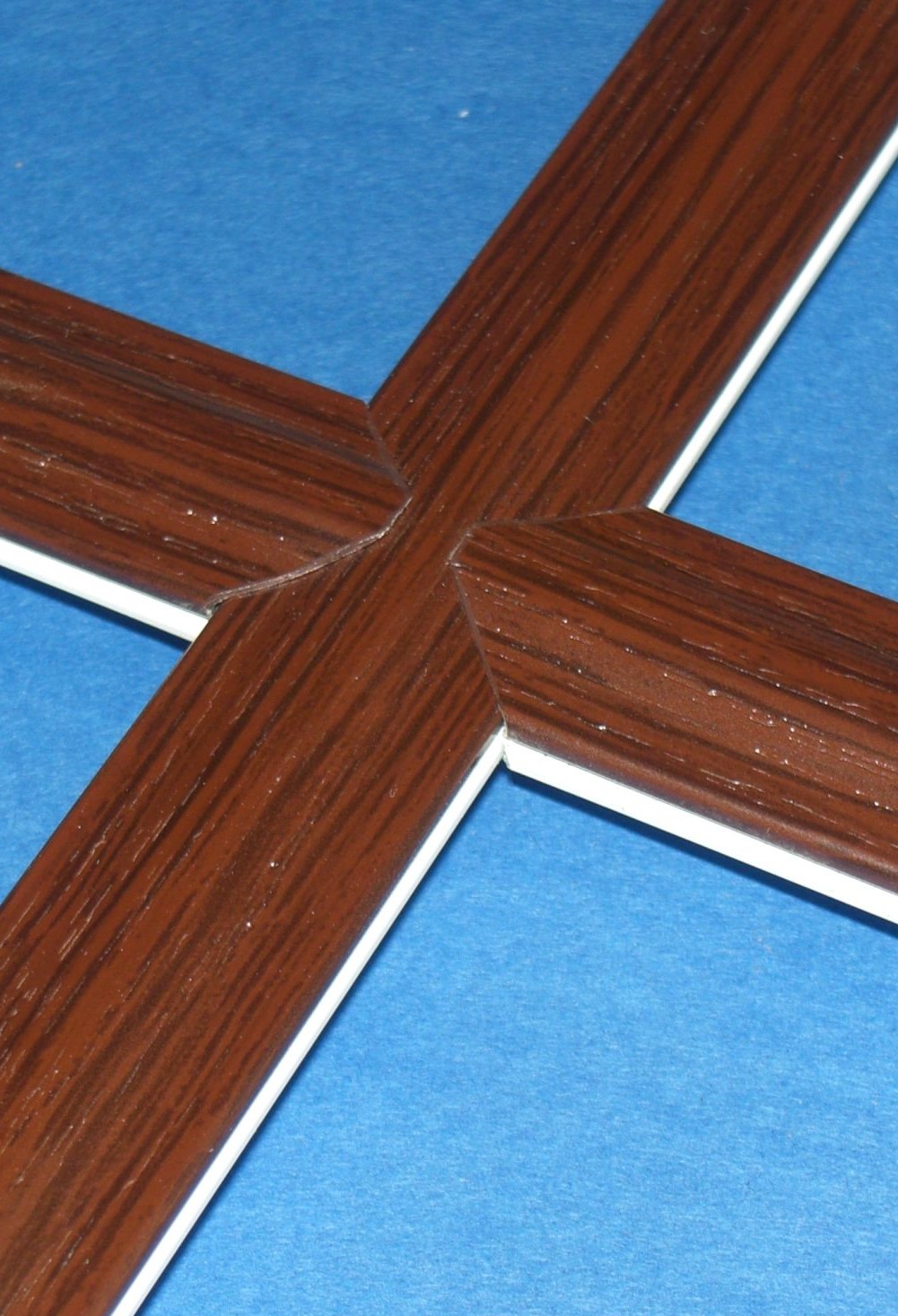
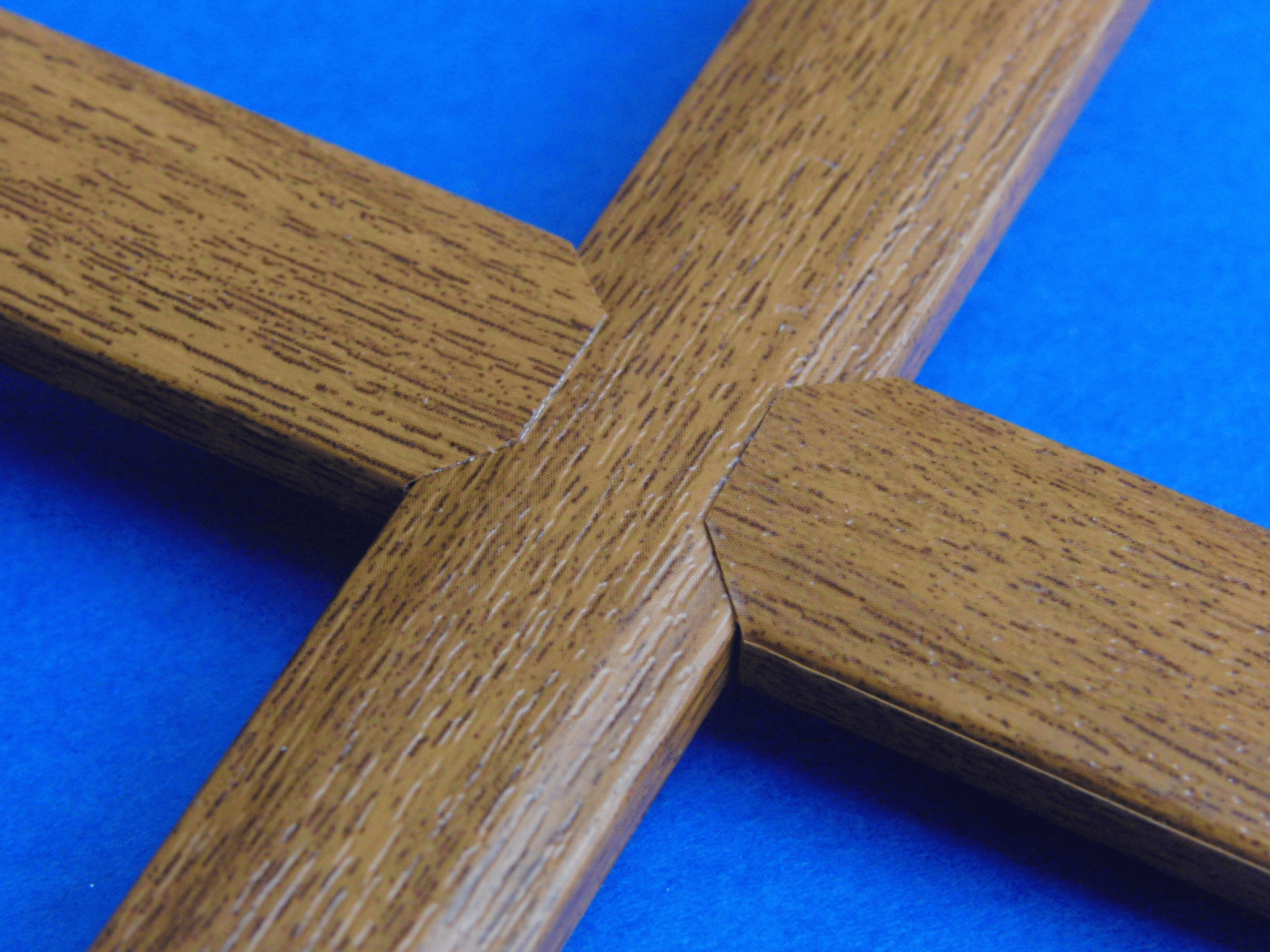
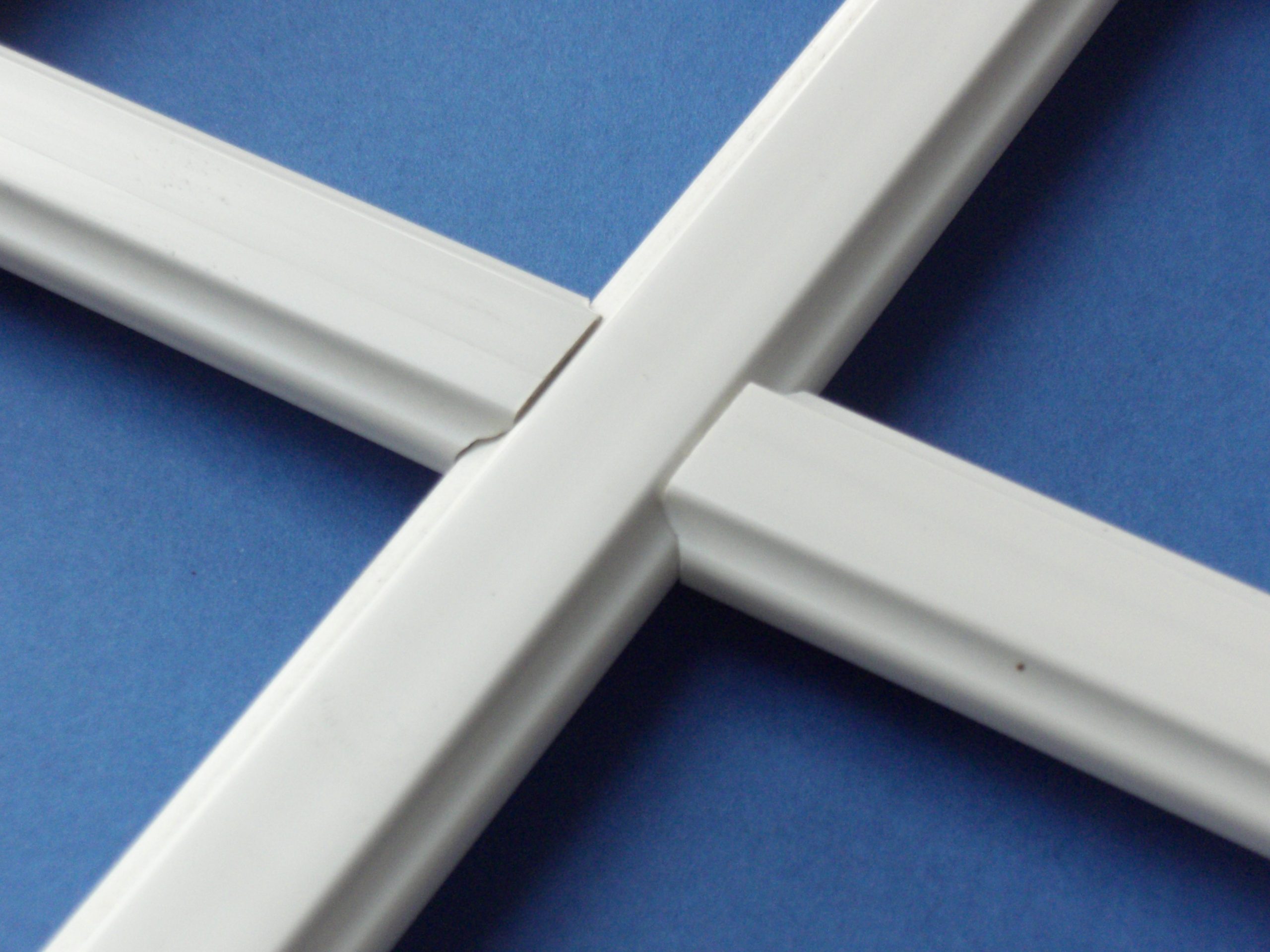
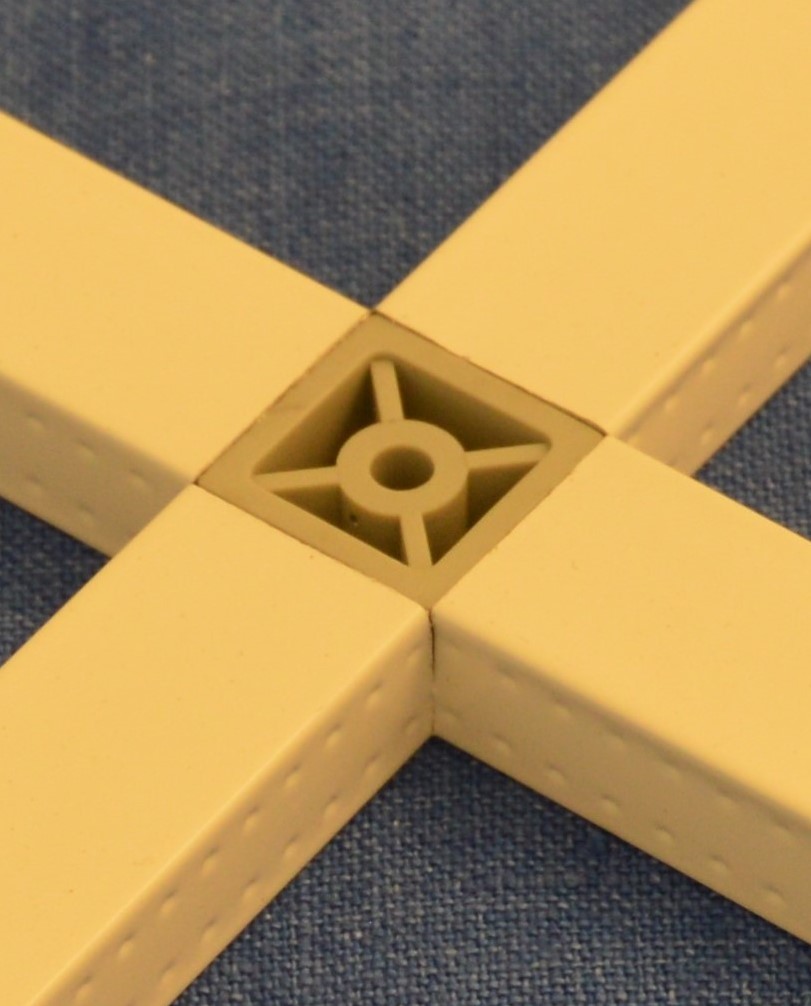
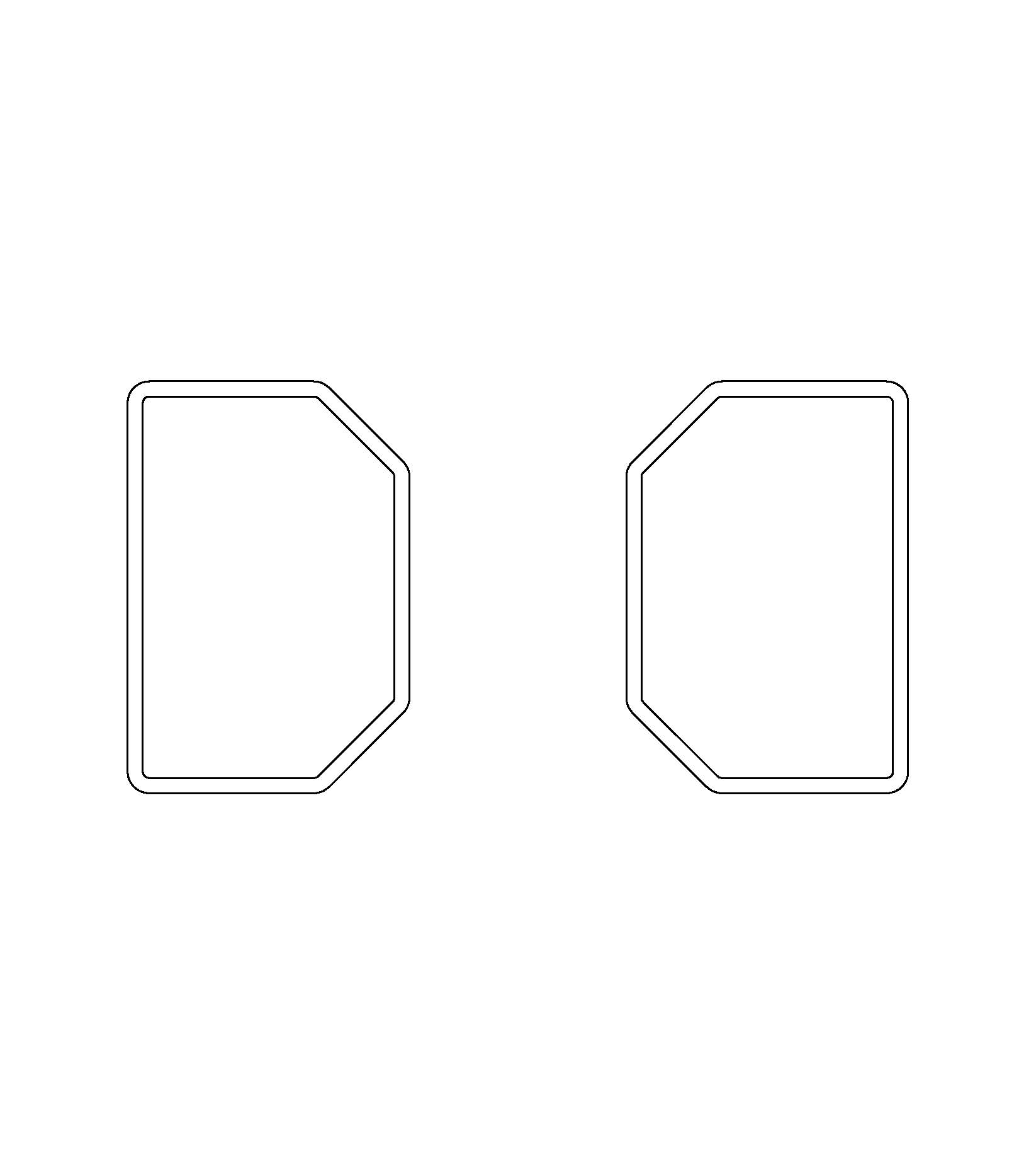
This system is the most popular available, with the welded product widely used by almost all unit manufacturers. The profiles are assembled using nylon keys and are available in 18×8 and 25×8 sizes in a range of solid colours and woodgrain foils. The painted profiles can be bent but joints between overlapping arches must be at 90°. The extruded version of the profile ensures complete symmetry of the section making it suitable for assembly with mitred joints. It is available in any RAL colour and the heavier wall allows the section to be bent to much smaller diameters than the welded equivalent.

  • Range of finishes to match aluminium spacer bar
  • Designs with simple curves and straight joints
  • Can be combined with back to back spacer for designs with curves
  • Any RAL paint colour or foil finish

  • Designs with curve to curve and angled joints

  • Continuous mullions for rigidity

SYSTEM 2

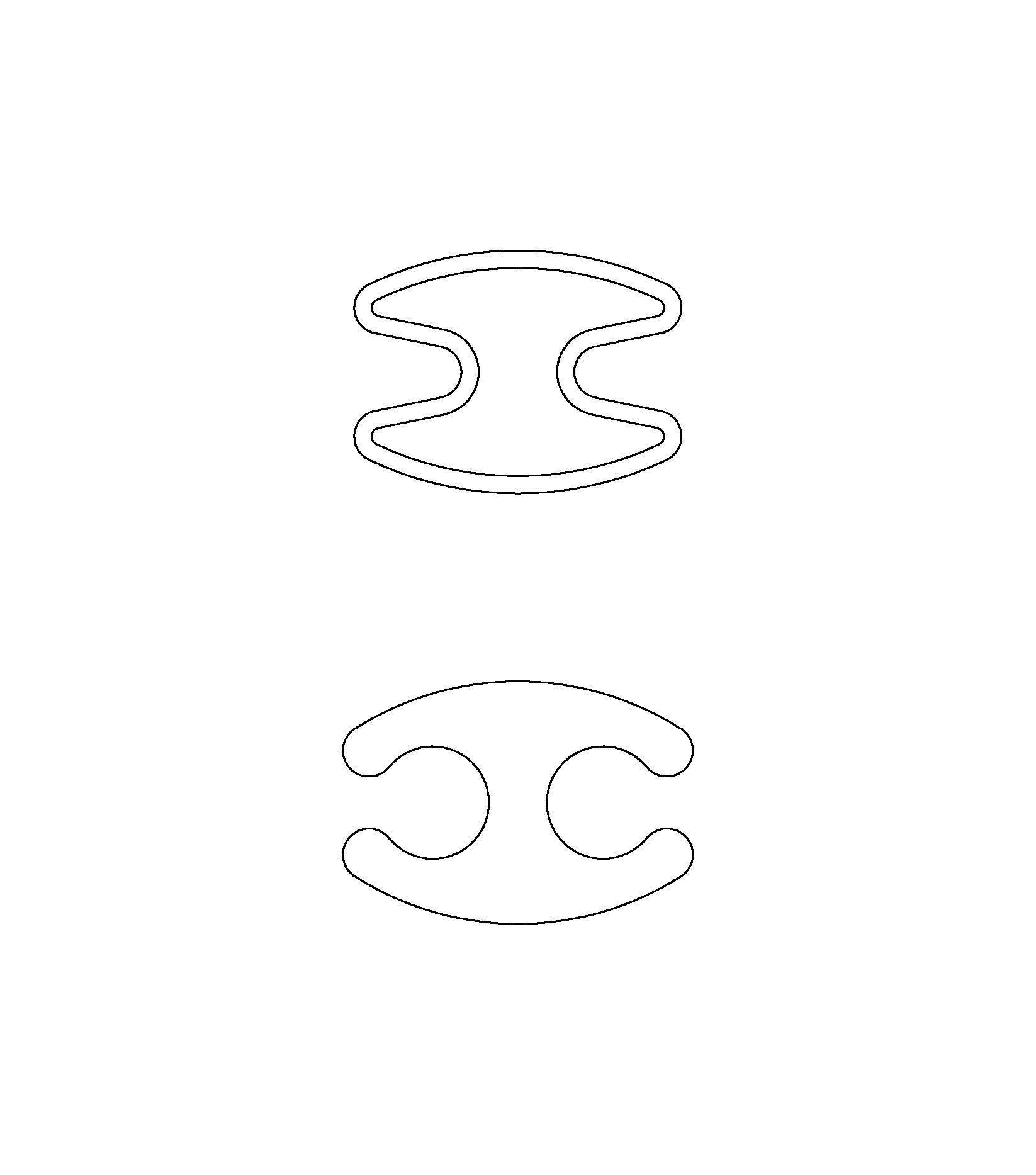
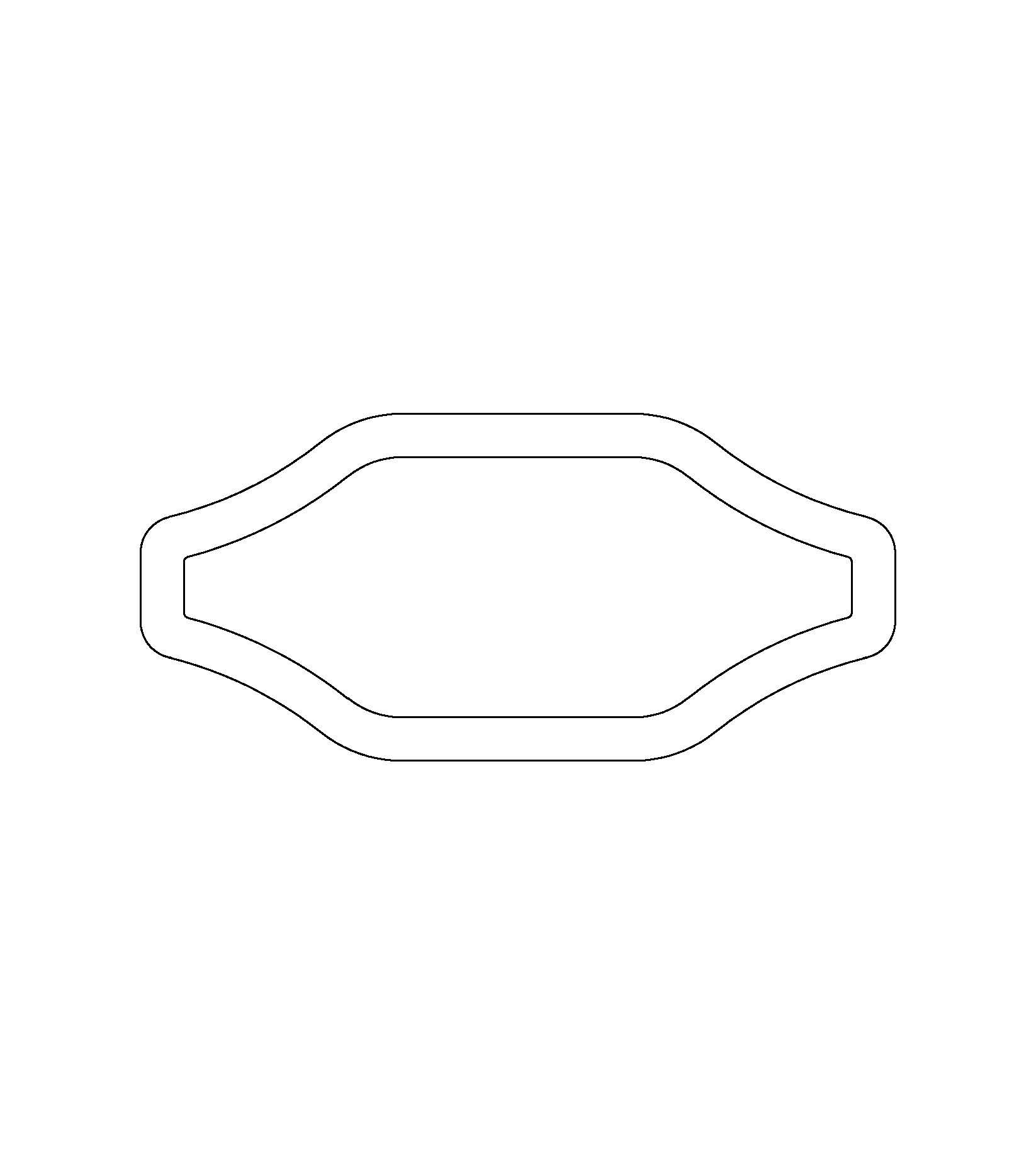
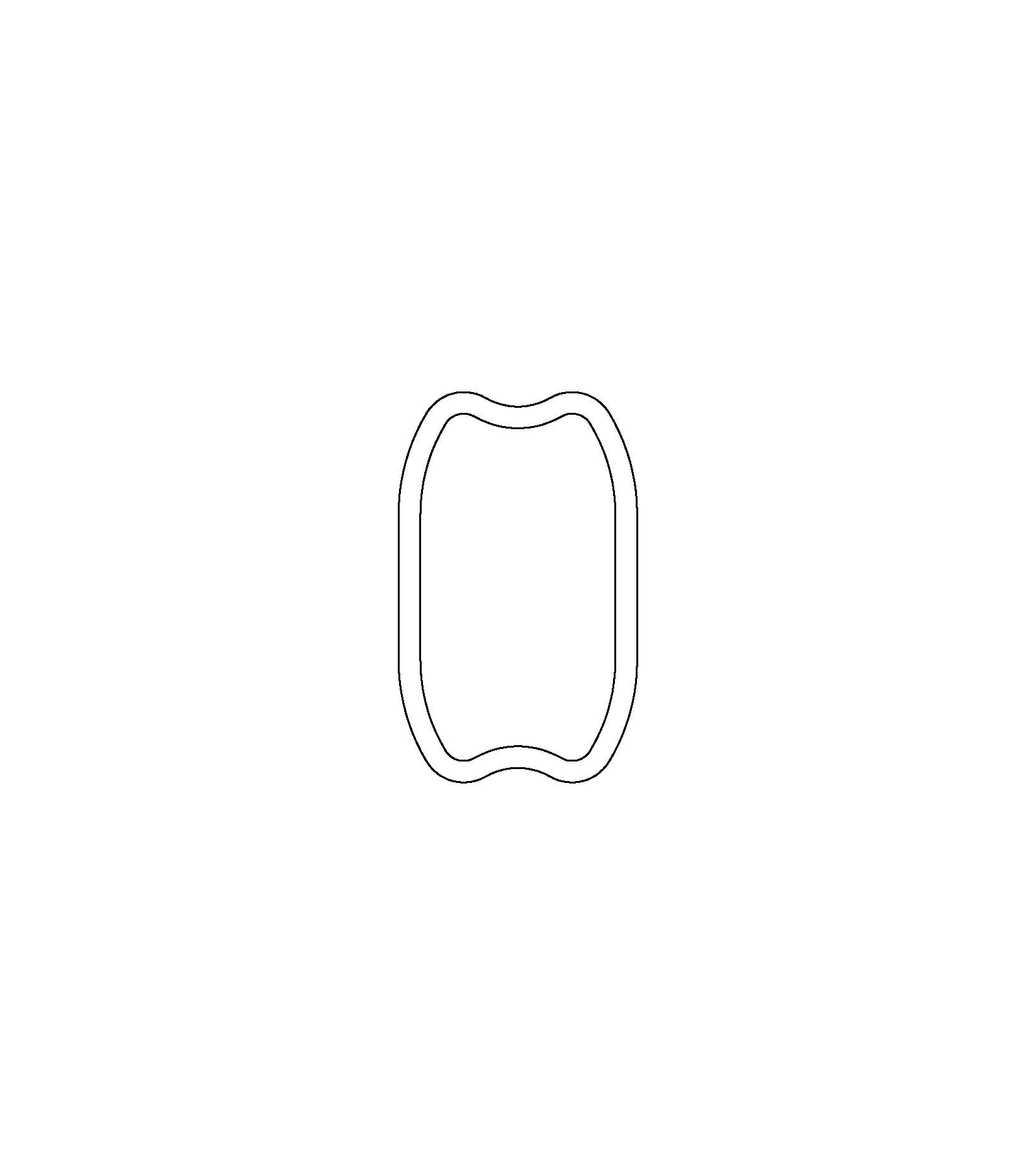
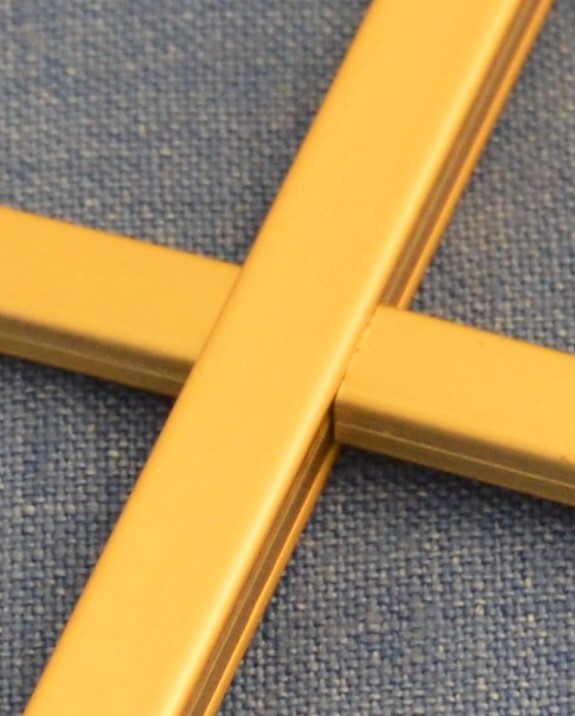
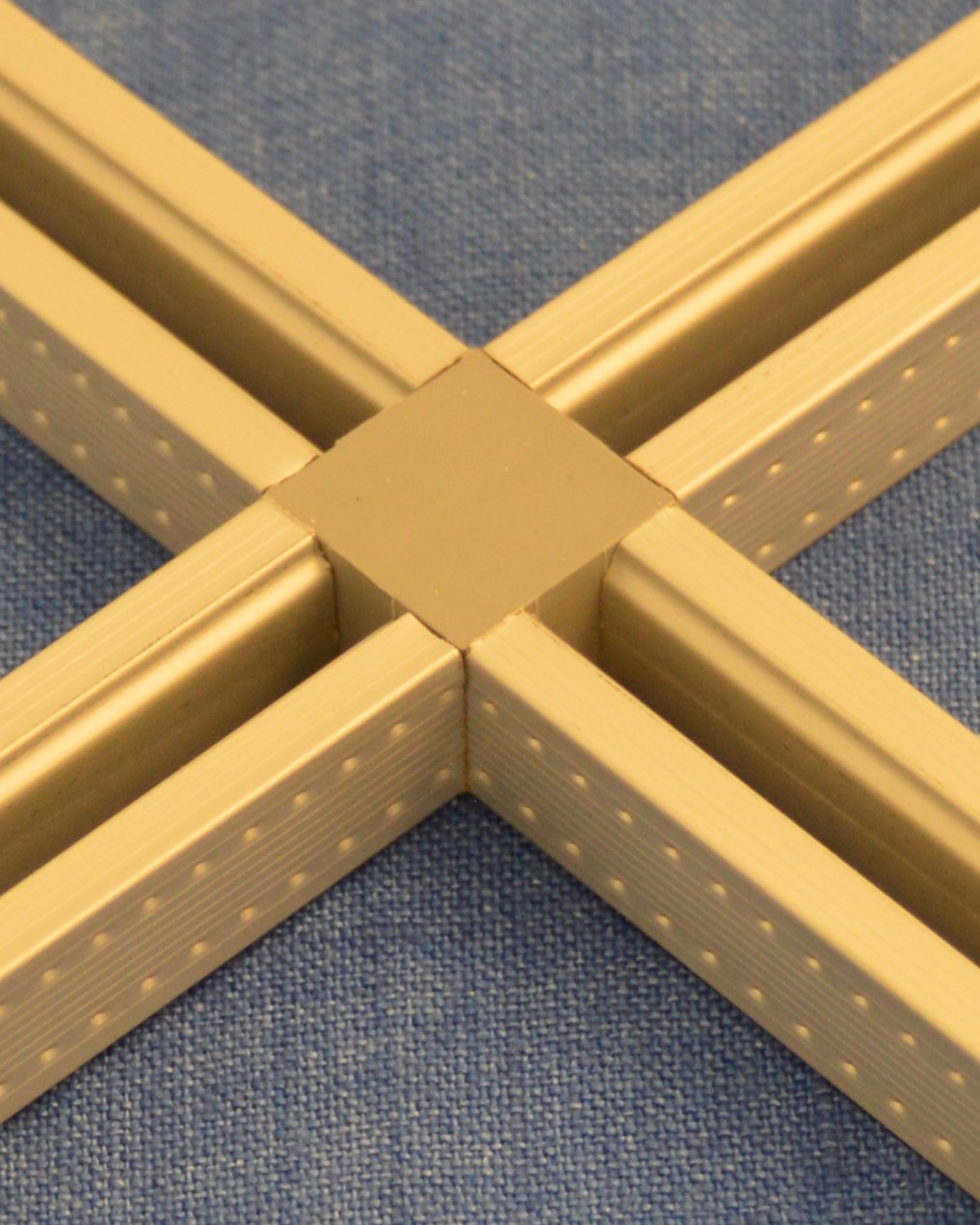
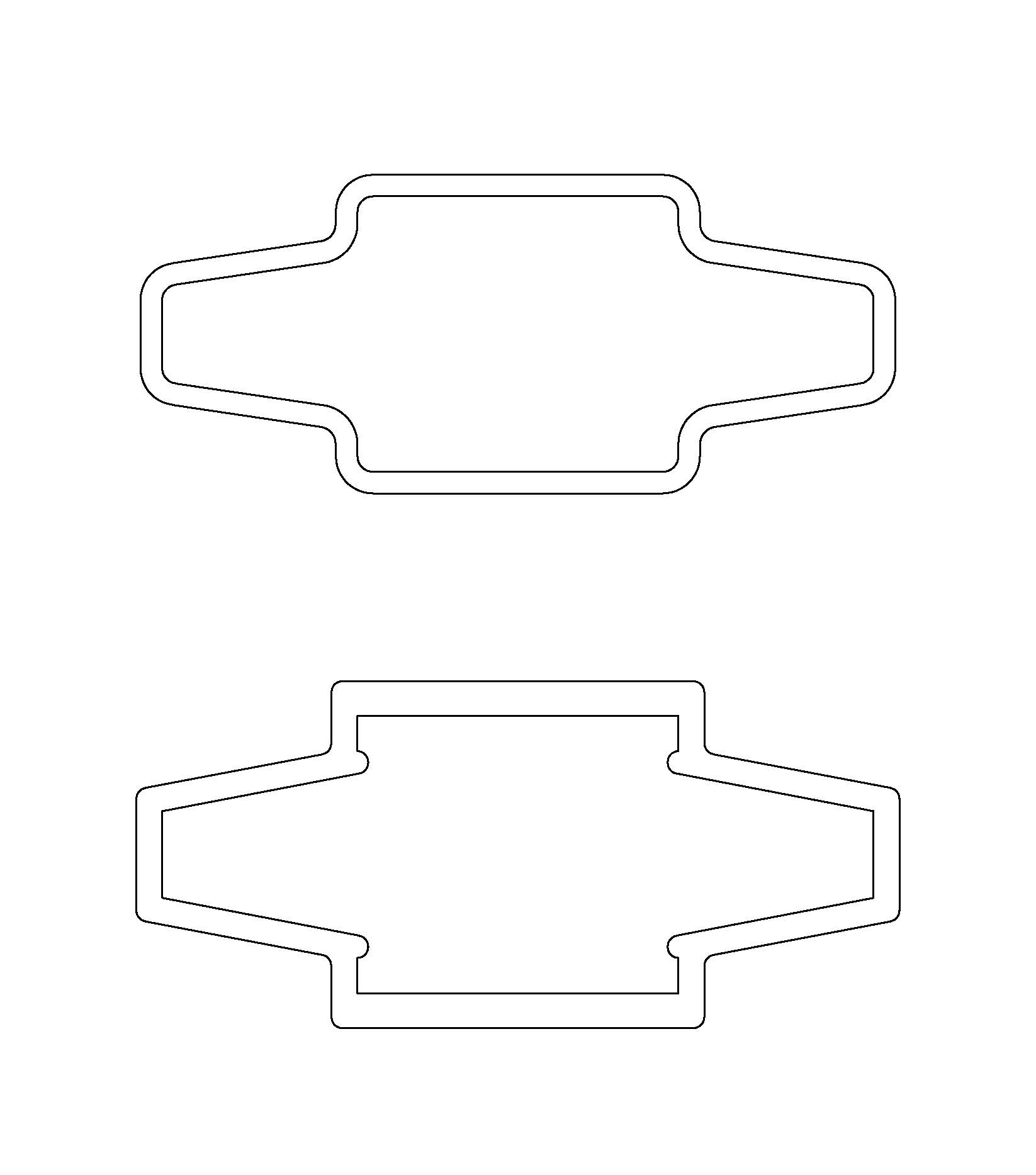
This system employs 3 widths of profile to allow for a range of joint options. The edge of the profile is rebated. Joints are secured using a pin and connectors hidden inside the profile and the cut edge is covered by the rebate of the adjacent bar. This allows joints to be made at almost any angle in both straight and curved bars, making the system ideal for designs such as gothics where the spring points can be lined through different unit widths. The 18mm profiles are available in any RAL colour or woodgrain foil. The woodgrain foiled profile can be bent to a limited degree.

SYSTEM 3

This system uses assembly with milled joints secured using a pin and connectors hidden inside the profiles. Angled joints can be made in both straight and curved bars. The system is available in 18×8, 26×8 and 45×8 sizes and a range of colours and woodgrain finishes. The profiles can be bent. The unique stoved paint finish and hidden weld seam make this system ideal for applications with woodgrain on one side and a solid colour on the other.

  • Range of solid colours and painted woodgrain effect finishes
  • Designs with simple curves and angled joints
  • Continuous mullions for rigidity
  • Gold, silver or white finishes
  • Designs with simple straight to curved joints
  • Continuous mullions and transoms for rigidity

SYSTEM 4

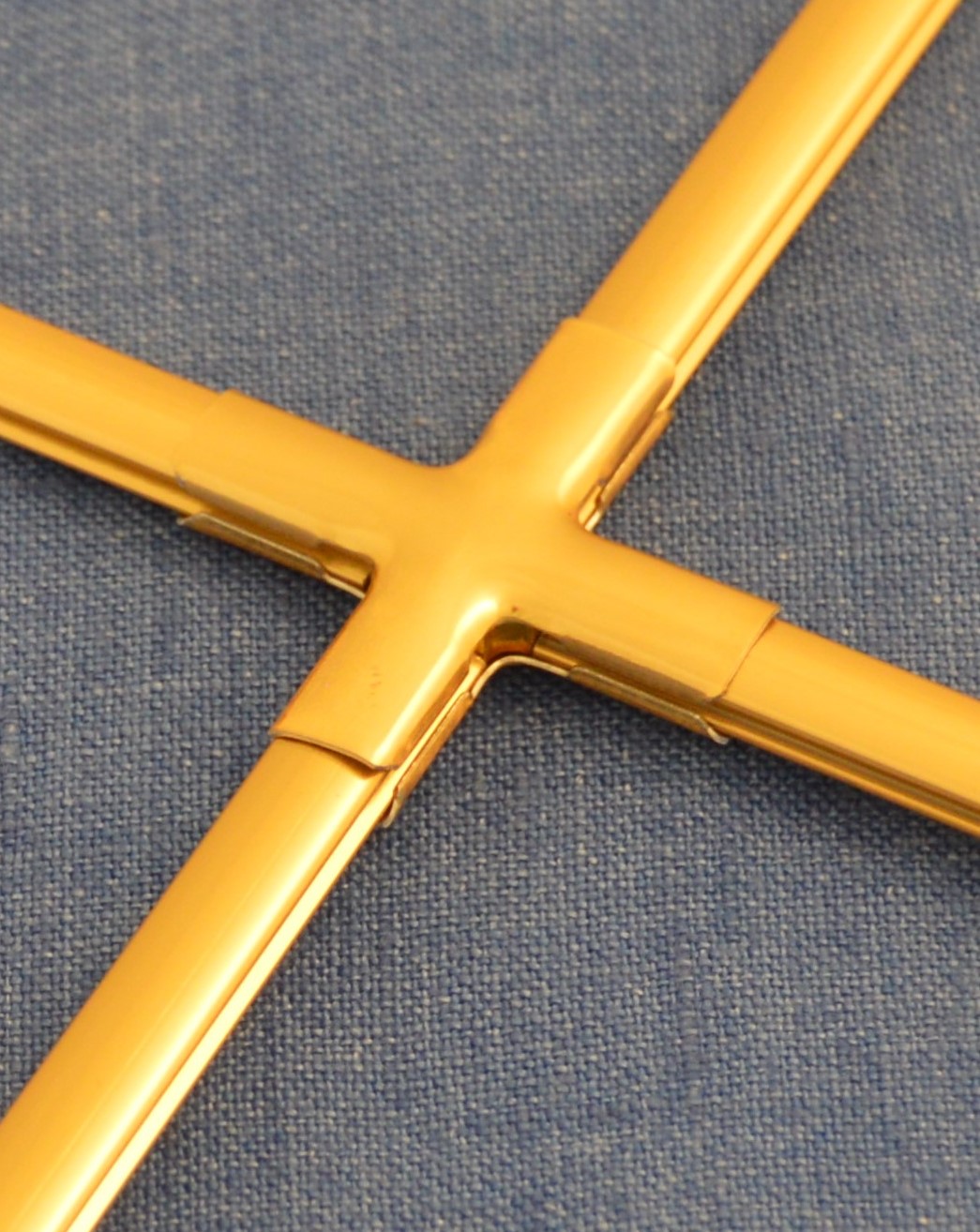
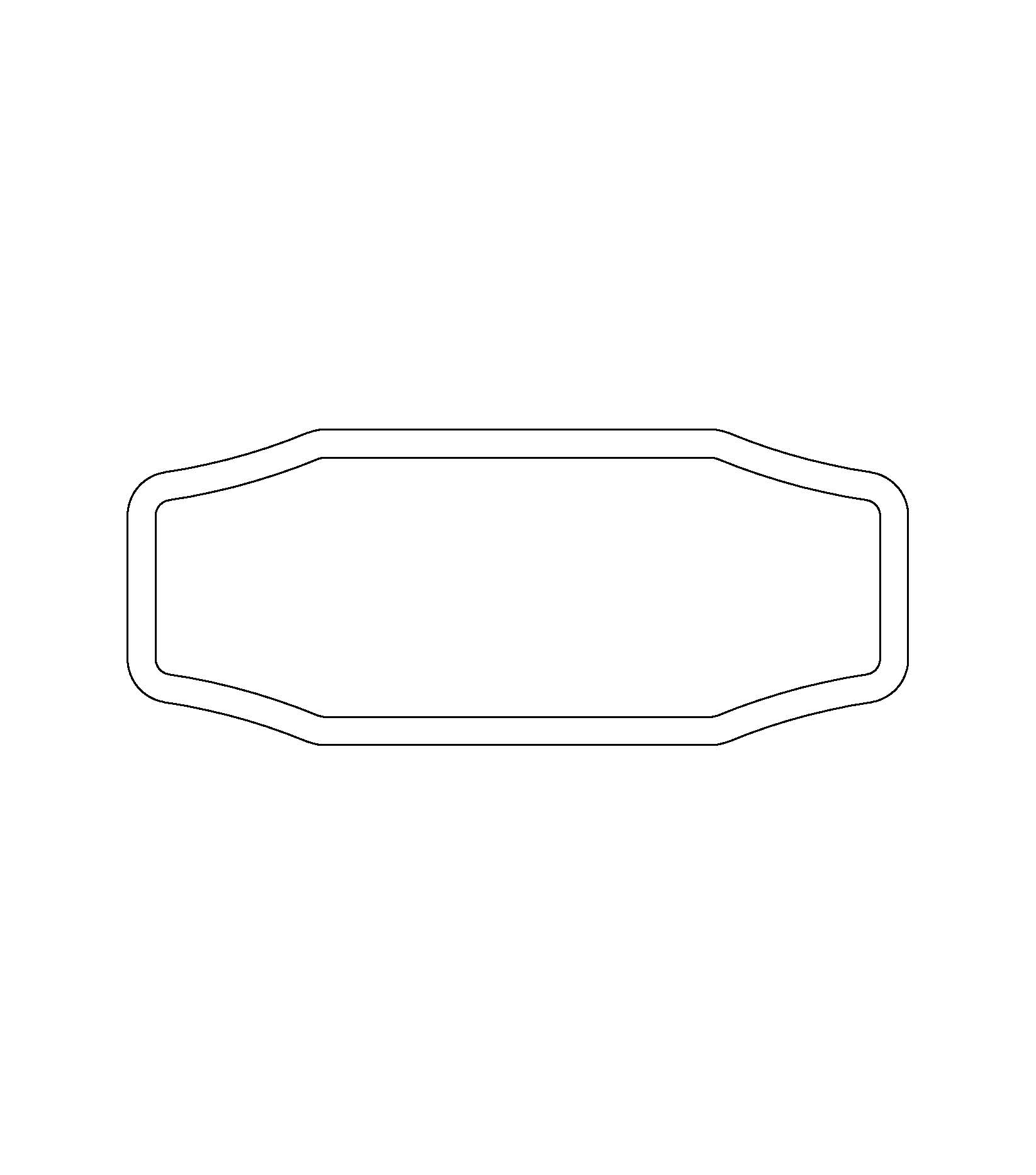
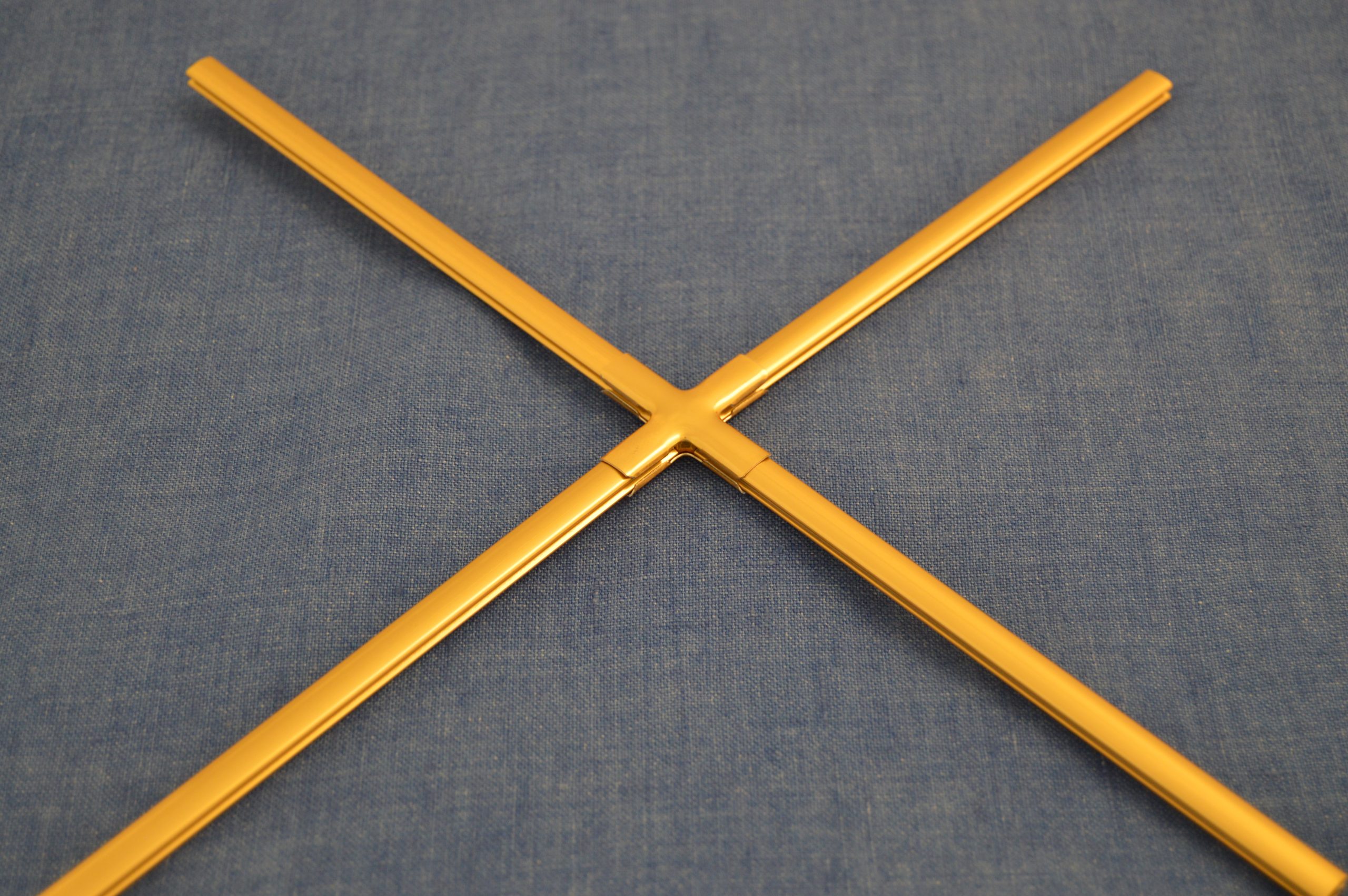
This system is only available in size 8×6. Grilles are assembled either square cut with nylon centre keys or half lap joints with a clip on cover to disguise the join. The notched half lap method allows for both continuous mullions and transoms making the grille quite rigid. The profile can be bent but joints can only be made at 90°. The extruded (aka Quadra) profile is only available in bright gold. The welded (aka Royale or Deco Gold) product is stocked in gold although other finishes are available to order. There is a slight difference in colour between the welded and extruded products.

SYSTEM 5

This system uses a heavy gauge profile with a contemporary aesthetic appeal. Panels are assembled using milled joints with pin and connector hidden inside the profile. The system is available in 18×8, 26×8 and 45×8 sizes and a range of colours and woodgrain finishes. The profile can be bent. This system is especially suitable for woodgrain foil finishes.

  • Wide range of solid colours and woodgrain foil finishes
  • Continuous mullions for rigidity
  • Designs with curve to curve and angled joints
  • White or range of foil finishes
  • Designs with straight joints only
  • Continuous mullions for rigidity

SYSTEM 6

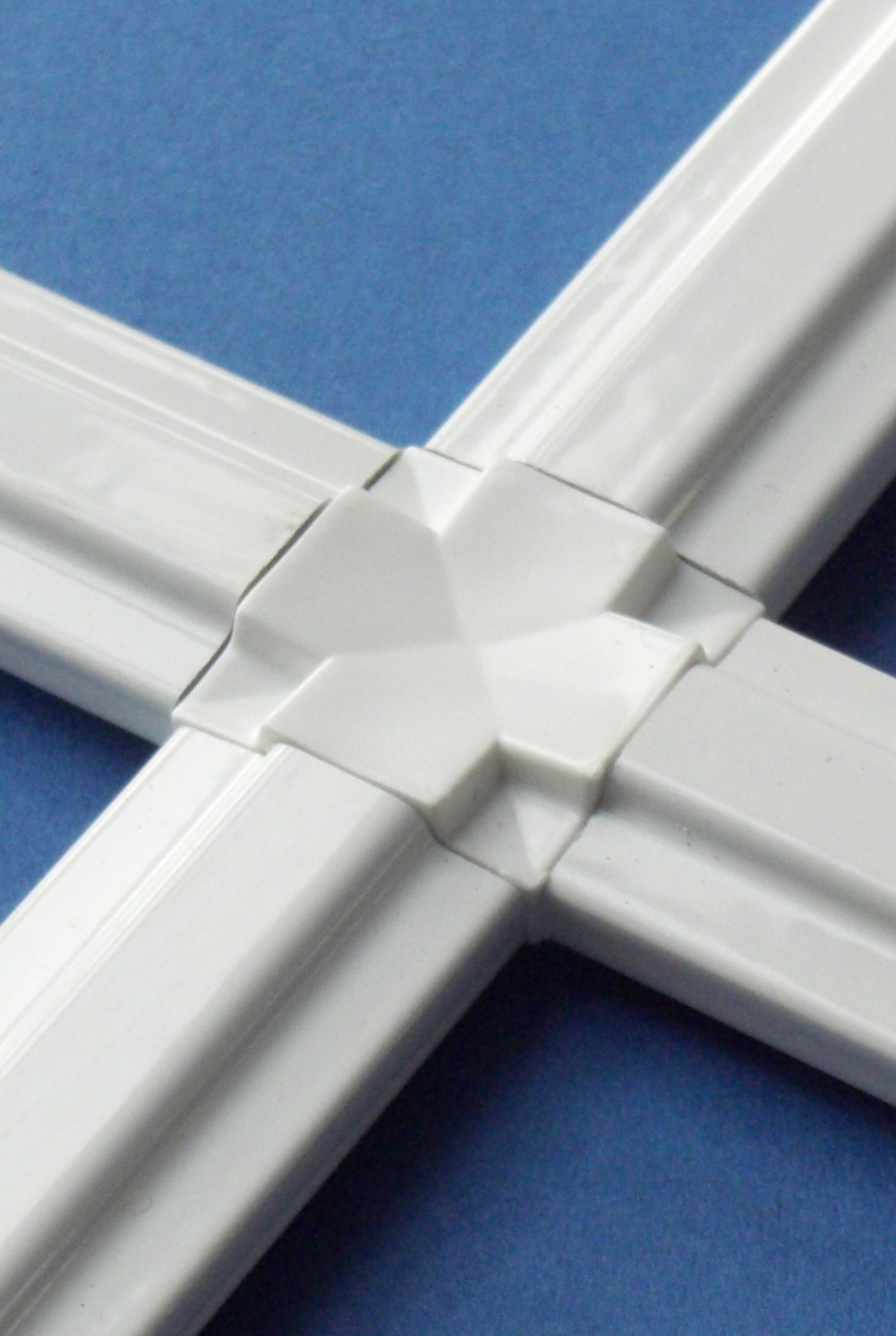
This system features a plastic profile is only available in size 18×8. Panels are assembled using milled joints and a pin which fits directly into the profile removing the need for additional keys.

SYSTEM 7

This profile is 8×6 and comes in gold or silver finishes. Panels are assembled using half lap joints with a cover which clips onto to hide the joint. The notched half lap method allows for both continuous mullions and transoms making the grille quite rigid. The profile can be bent but joints can only be made at 90°

  • Gold and silver finishes
  • Designs with simple straight to straight of straight to curve joints
  • Continuous mullions for rigidity
  • Gold finish only
  • Designs with curve to curve and angled joints
  • Continuous mullions for rigidity

SYSTEM 8

This system employs 2 depths of profile to allow for a range of joint options. The profile are 8mm wide and the edges of each profile are rebated. Joints are secured using a pin and connectors hidden inside the profiles and the cut edge is covered by the rebate of the adjacent bar. This allows joints to be made at almost any angle in both straight and curved bars, making the system ideal for designs such as gothics where the spring points can be lined through different unit widths.

d-bar

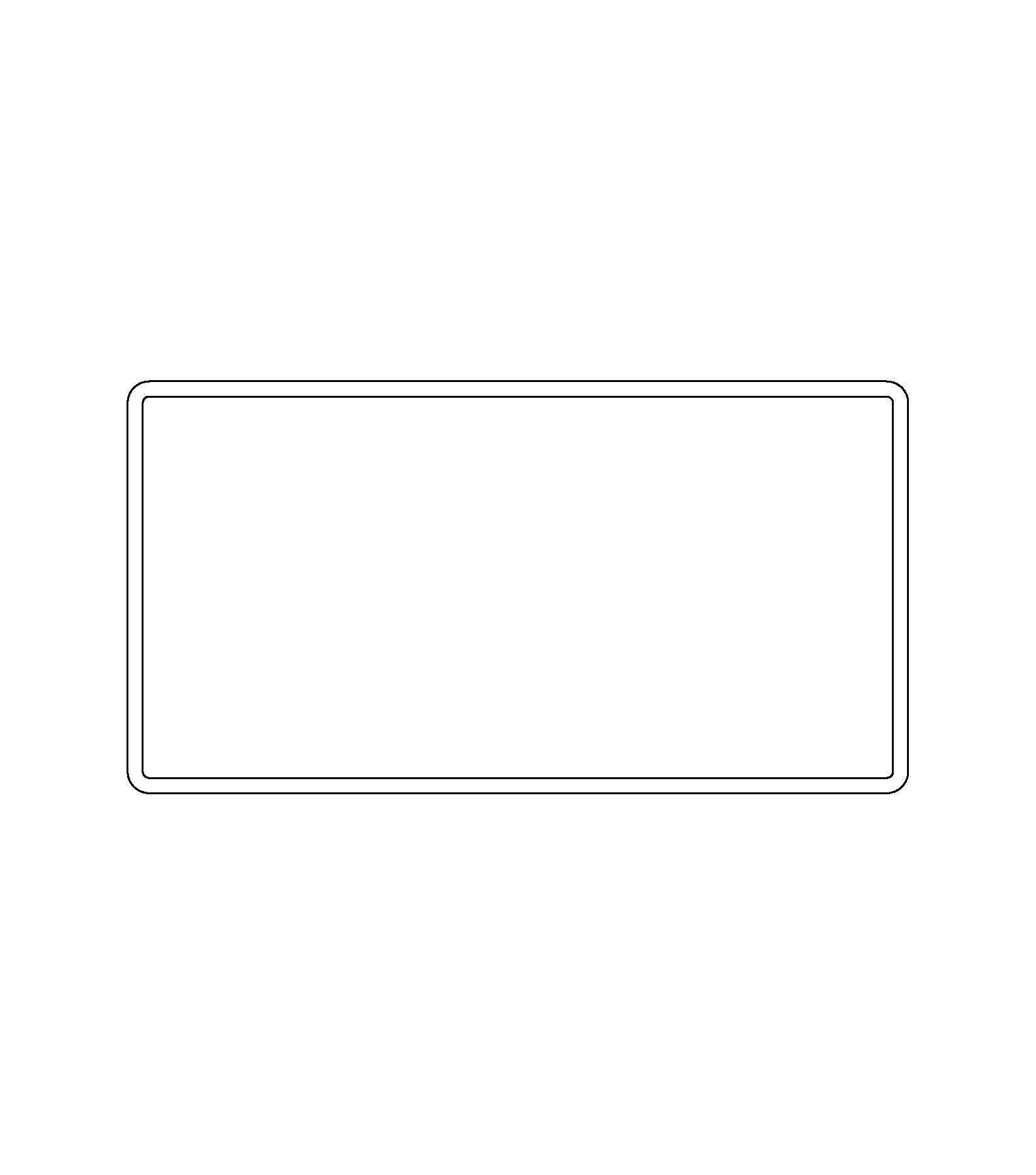
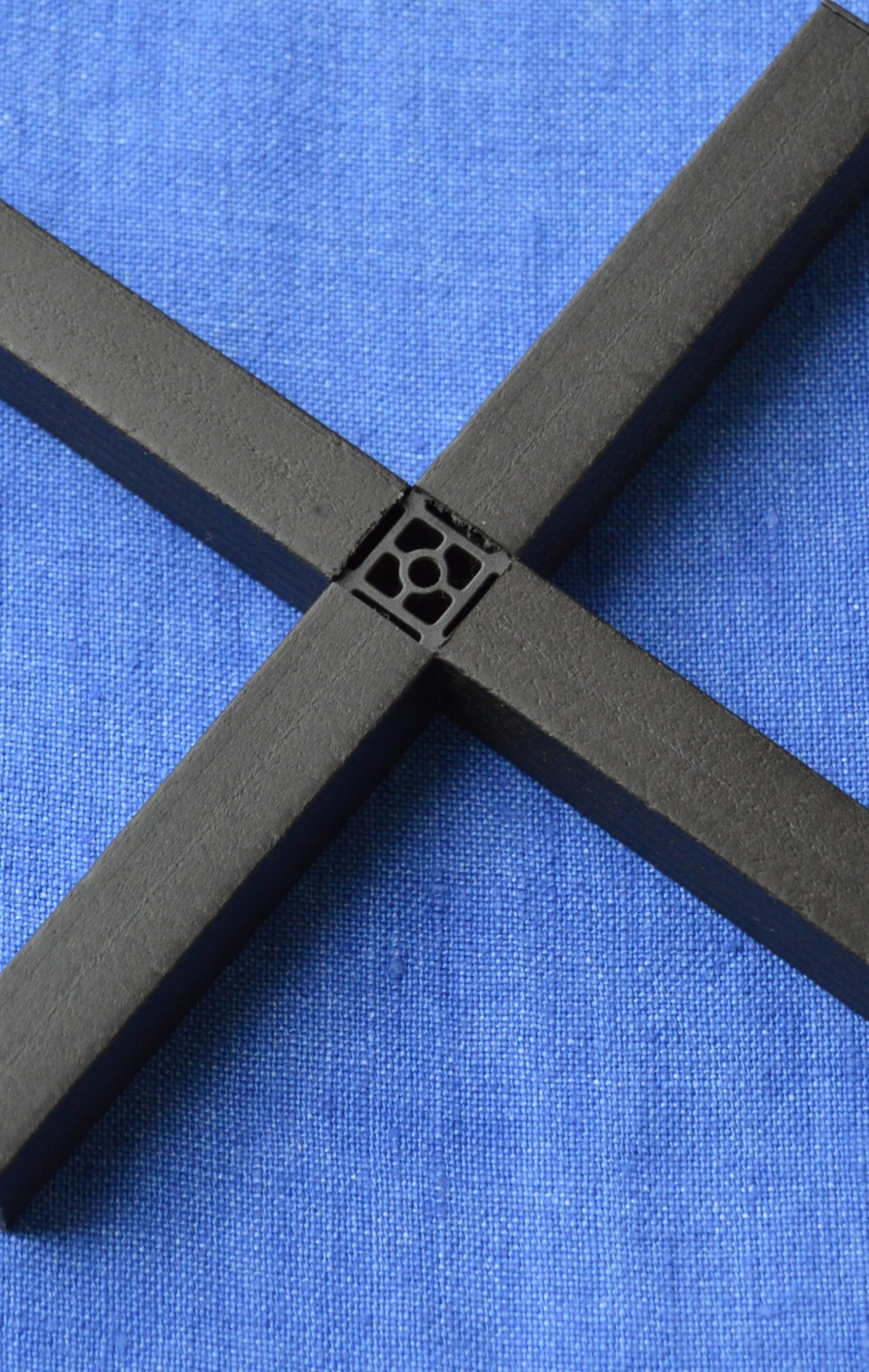
Our new 13 x 15.5 D-Bar is a simple cut and key system which replaces back to back spacer for the look of individual panes in a sealed unit. The 13mm face to face dimension allows for a 17mm wide glazing bar to be used. These narrow glazing bars replicate the very fine traditional timber muntin bars and significantly improve the appearance of the finished window.
Designed for rigidity and ease of use, D-Bar panels are assembled in the same way as normal georgian bar with 4 way centre keys and staple edge keys.
D-Bar replicates the appearance of warm edge spacer bars and gives a clean cut with most types of saw blade.

  • Black finish to match warm edge spacer
  • Designs with simple straight joints
  • Can be combined with back to back spacer for designs with curves
  • Range of finishes to match aluminium spacer bar
  • Designs with simple curves and straight joints
  • Can be combined with back to back spacer for designs with curves

duplex

Duplex (or Integra) profile replicates the appearance of aluminium spacer bars and a a cost effective way of creating panels for use in windows with applied glazing bars. Available with 18mm or 24mm face to face dimensions profiles and to suit a range of cavity widths and spacer finishes.

BACK TO BACK

In windows which will have applied glazing bars it is crucial that a panel is fitted inside the sealed unit to make each ‘pane’ of the window appear like an individual unit. This can be done using 2 pieces of spacer bar (the same as used to separate the glass) assembled back to back in a panel matching the glazing bar layout.

  • Any spacer finish available
  • Designs with curve to curve and angled joints
  • Face to face spacing can be adjusted to suit any width of plant on glazing bar
Scroll to Top